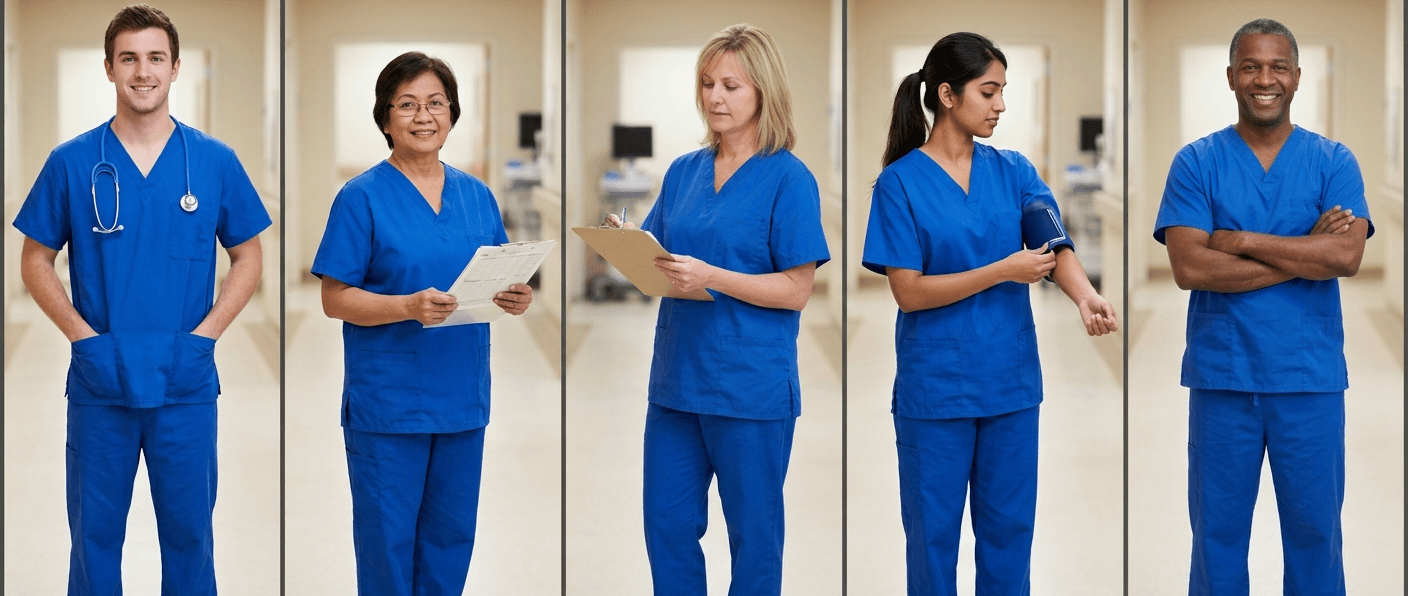
A row of nurses

Skilled Nursing

Navigating care options for you or a loved one can feel overwhelming, especially when you hear terms like "skilled nursing " and aren't sure what they mean.

In simple terms, skilled nursing is licensed medical care.

It is licensed medical care provided by Registered Nurses (RNs) or Licensed Practical Nurses (LPNs), ordered by a Physician to be delivered right to a patient in their own home.
Why Home-Based Skilled Nursing?

Avoid unnecessary hospital readmissions

Skilled nursing services monitor re-hospitalization risk factors, high-risk medication interactions, side effects of all current medications, and signs of infection. These are all issues that are caught before they turn into an ER visit. Nurses educate patients on pain management and train patients and caregivers on disease management through diet, medication, and lifestyle modification. A nurse notices changes a family member might miss.

Manage complex medical needs without leaving home

Our skilled nurses monitor vitals, treat chronic conditions, and train patients in disease management, medication reconciliation, and lifestyle modification. All monitored services are under the care of your ordering physician. This care is customized based on your clinical condition and individual medical needs. Skilled nursing brings that level of licensed medical care to the home, especially when leaving home is a taxing effort and you are homebound.

A direct line between the patient and their physician's plan of care

Because skilled nursing is physician-ordered, the nurse executes and reports back on your care plan, coordinates care, and provides risk management. This keeps the doctor informed of your progress, concerns, and deviations.

Skilled Nursing Services We Provide

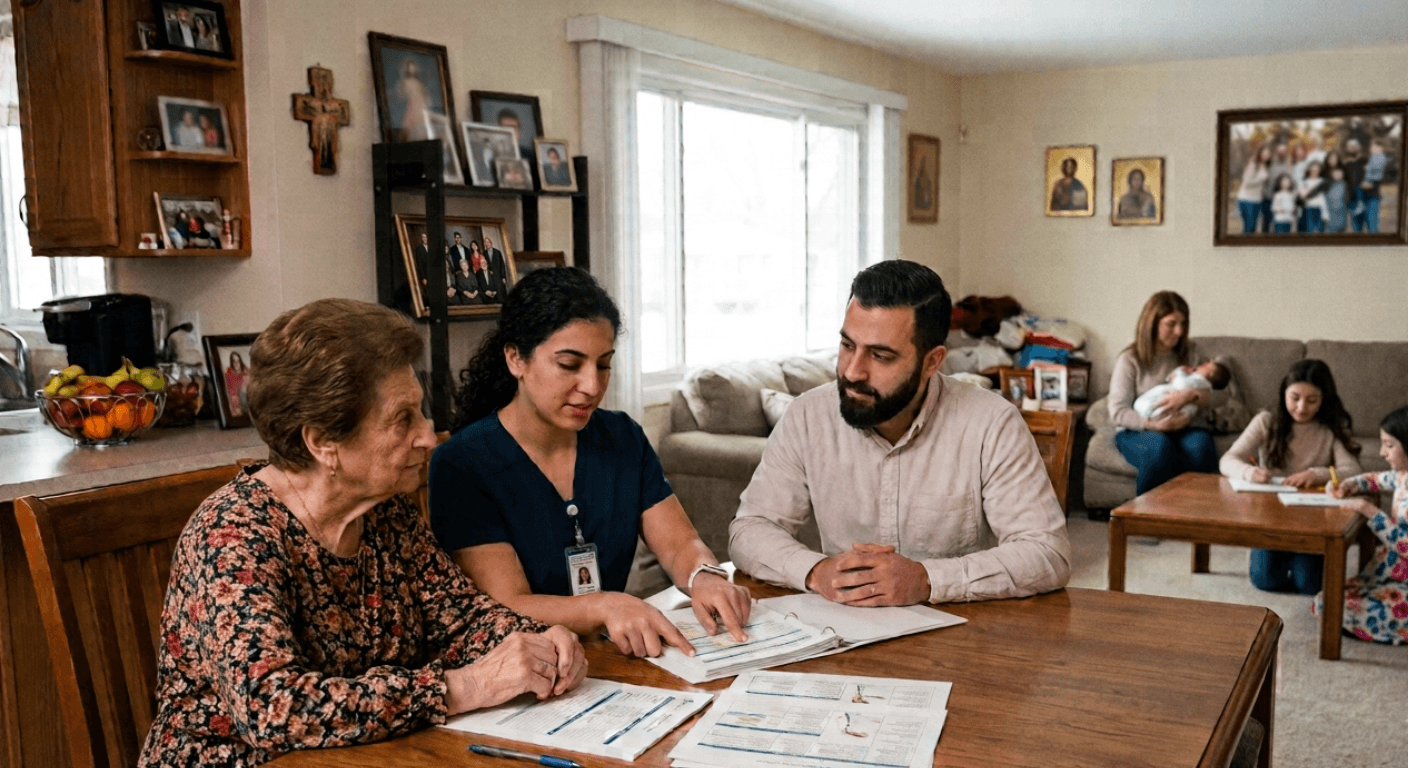
A nurse going over care plan with a family

Care Coordination

We work directly with your physician, hospital, and nursing home discharge planners to keep your care plan patient-centered and everyone involved in your care on the same page.

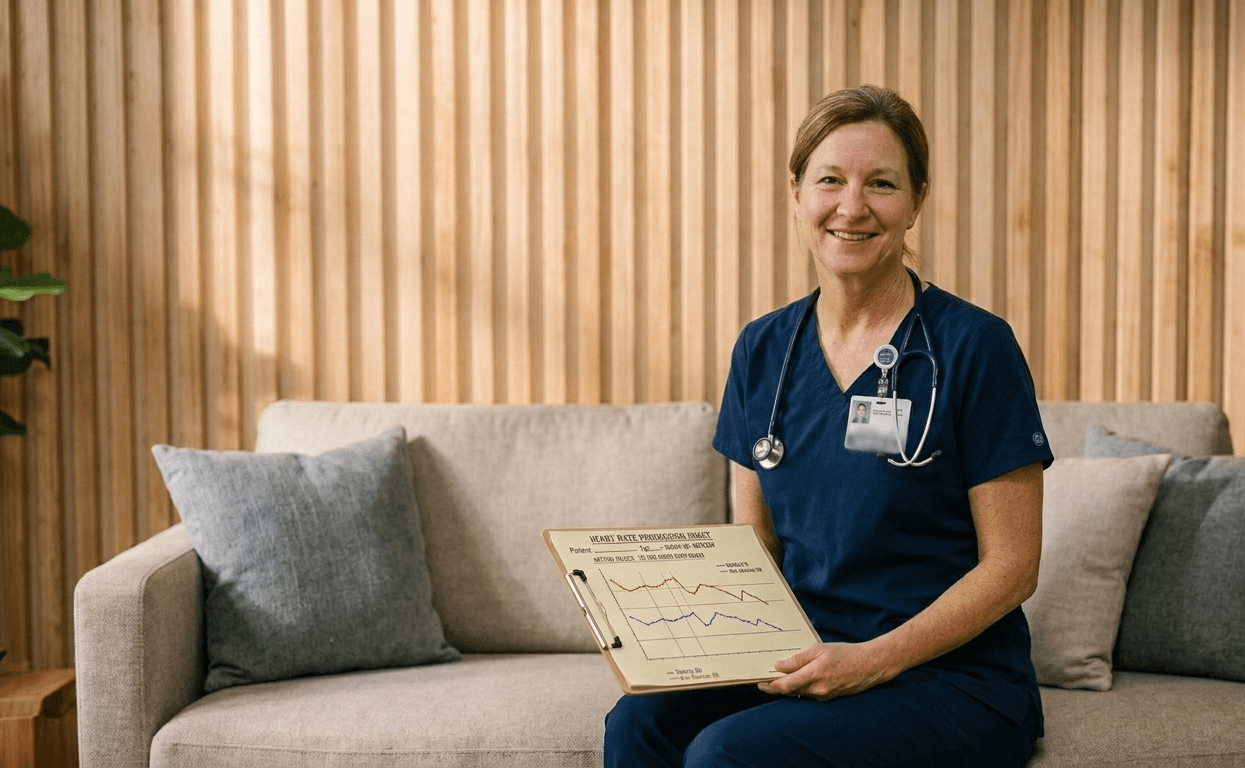
A nurse showing heart rate progression via a chart

Chronic Disease Management

Ongoing, physician-directed care for chronic conditions, with referrals to:

  • Area Agency on Aging resources
  • community health workers
  • home-visiting physicians
  • in-home labs and diagnostics
  • medical equipment providers
  • podiatrists
  • private duty caregivers
  • psychologists
  • wound care specialists

all working to minimize risk of re-hospitalization while stabilizing and improving your health right at home.

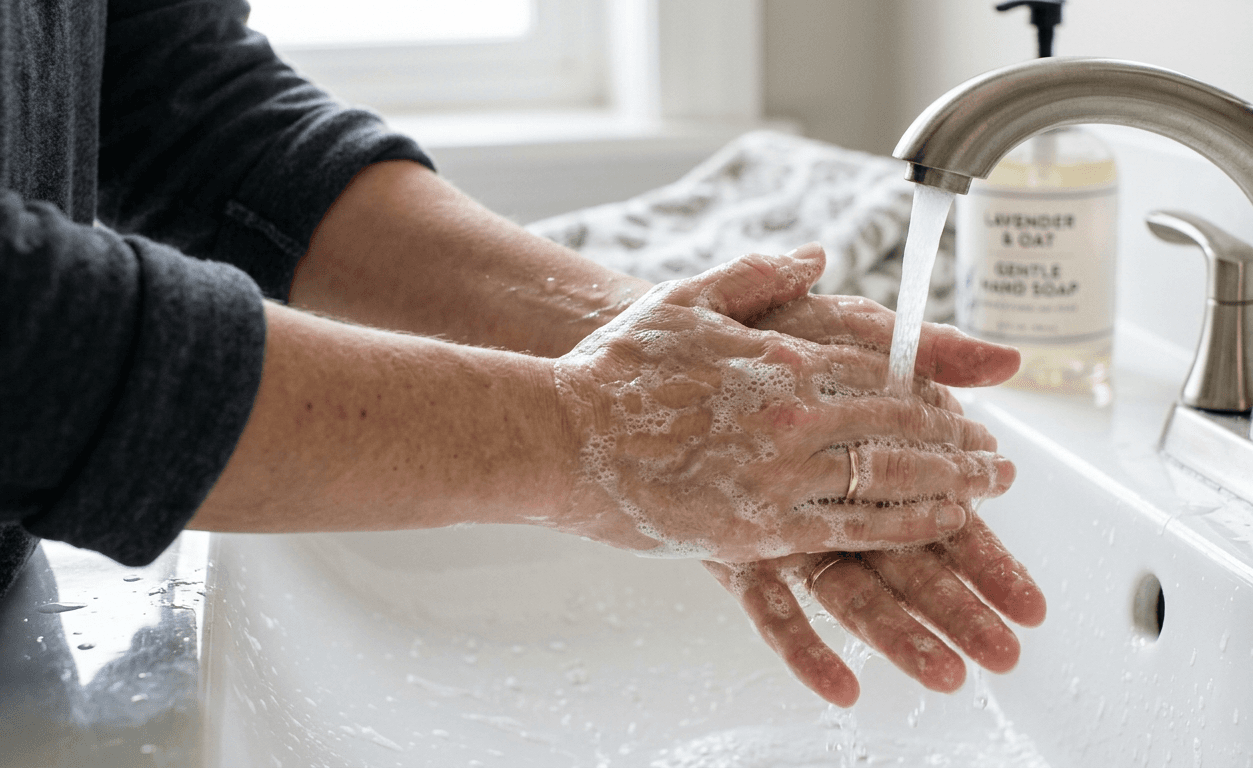
A person washing hands

Infection Management & Prevention

Nurses can be an integral part of treatment for active infections, teaching and training patients on infection control at home. They provide early education on identifying infection risk based on your diagnosis and condition, helping prevent the spread of infection before it starts.

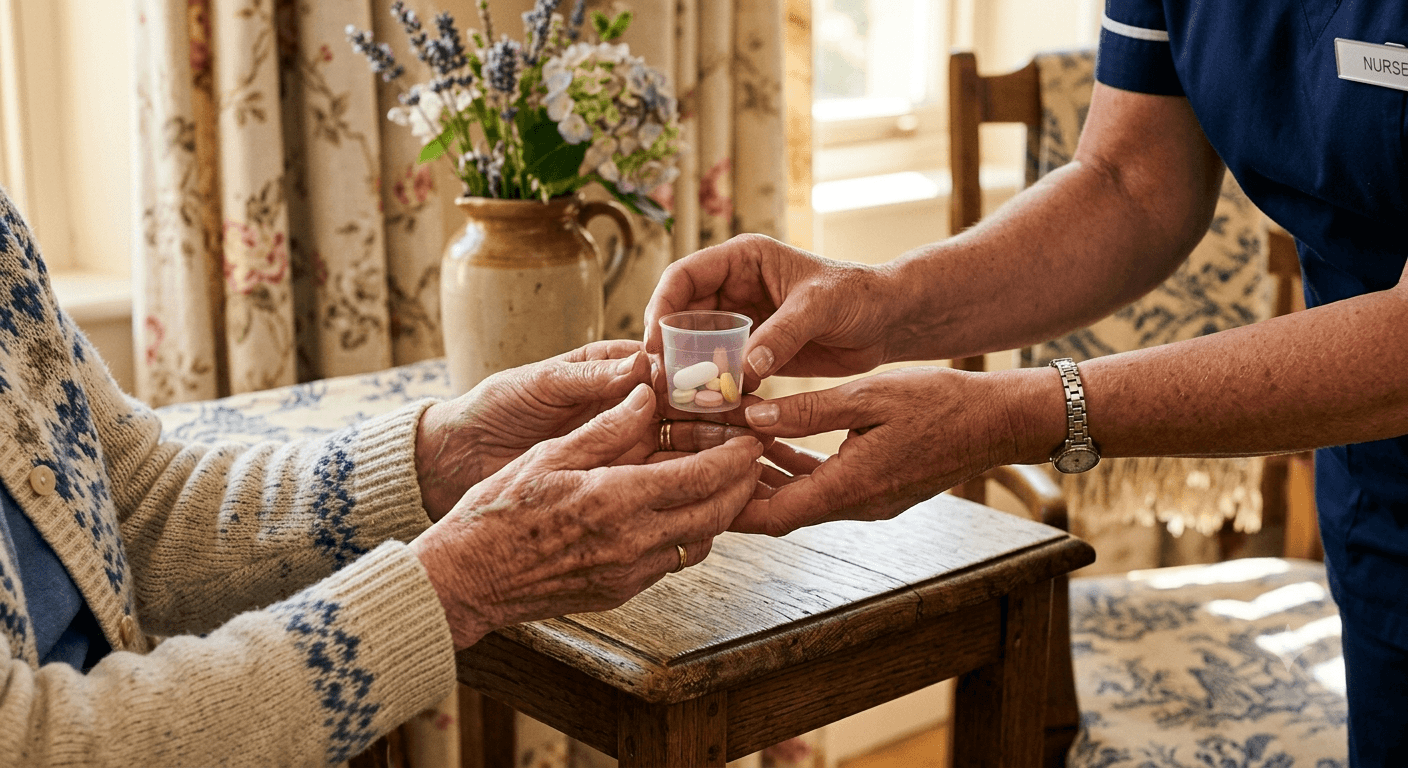
A nurse handing a patient the right medication

Medication Management

Nurses reconcile medications, check for duplications or missing medications, and teach/train patients on all current medications and potential side effects. They coordinate with your physician and pharmacy to ensure you are taking the right medications according to your physician's recommendations, schedule, and dosage.

Nurses also provide instructions on which side effects should be reported to your physician and when to call 911 or seek emergency care.

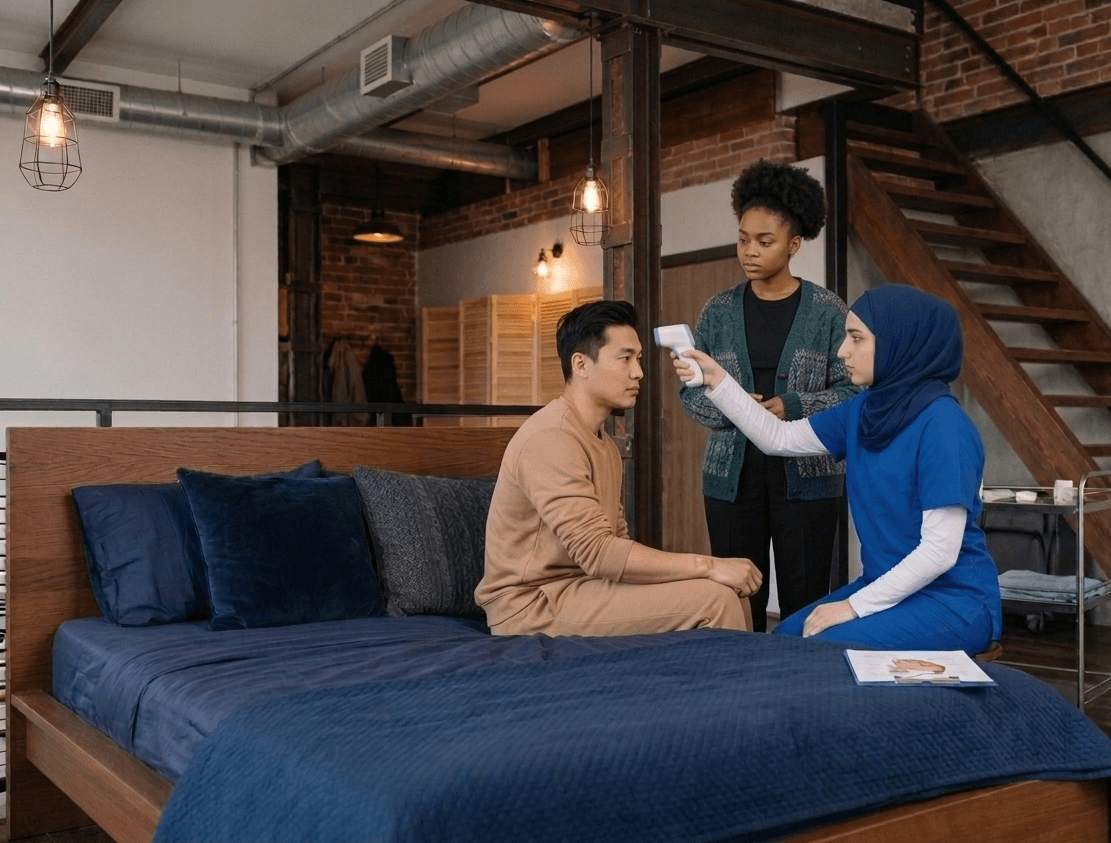
A nurse taking a patient's temperature

Post-Surgical Care

We provide recovery support after surgery, including monitoring for complications and helping you regain strength safely.

  • skilled nursing – wound care, monitoring vitals, managing pain and medications, watching for signs of infection or other post-op complications
  • physical therapy (PT) – rebuilding strength, mobility, balance, and safe movement (walking, stairs, transfers)
  • occupational therapy (OT) – relearning daily activities (dressing, bathing, cooking) safely, energy conservation, adaptive equipment training if needed
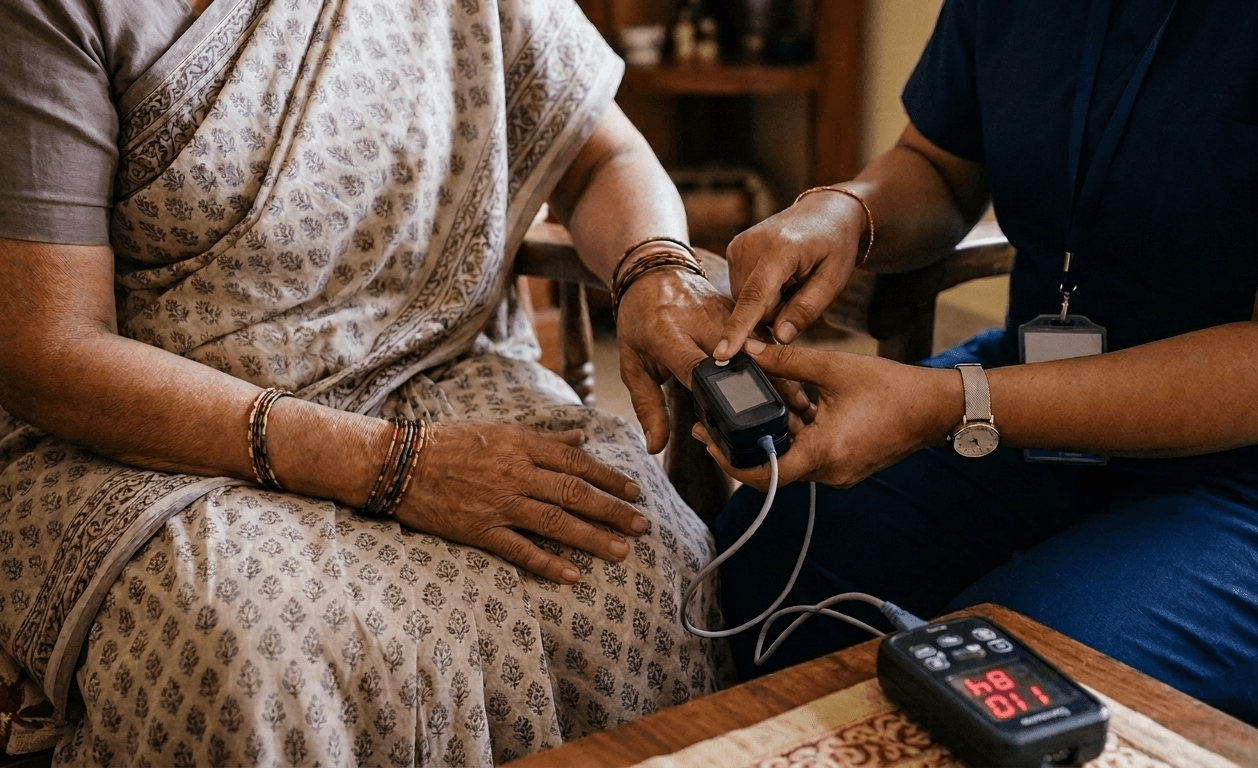
A patient getting her blood pressure checked

Vital Signs Monitoring

During each skilled visit (whether nursing, physical therapy, or occupational therapy), our clinicians monitor vital signs and report any readings outside safe parameters immediately to your physician, catching problems early before they become emergencies.

  • skilled nursing - tracks vitals alongside medication effectiveness, wound healing, and disease symptoms (like heart failure or COPD flare-ups)
  • physical therapists (PT) - watches for changes in balance, endurance, or fall risk during mobility sessions
  • occupational therapists (OT) - monitors how well you're managing daily activities safely at home

This coordinated oversight helps catch small changes before they turn into an ER visit or hospital readmission.

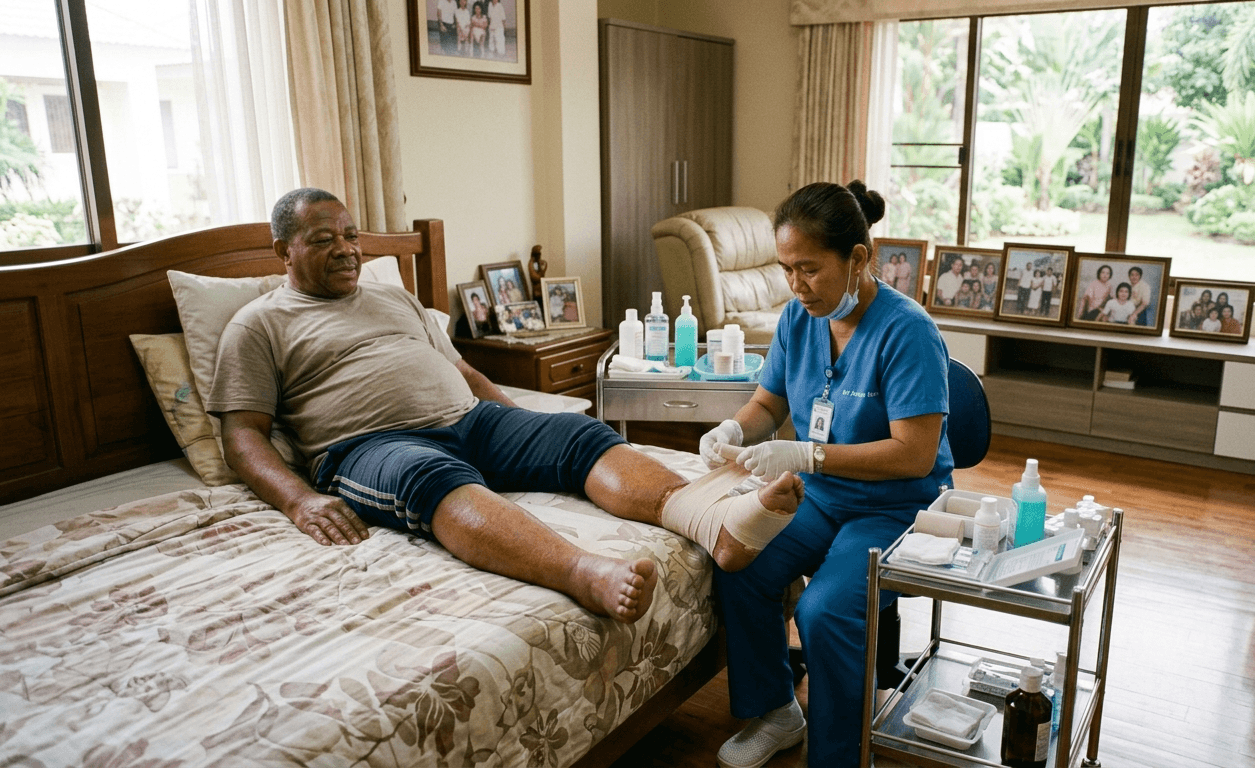
A nurse wrapping a patient's wounded ankle

Wound Care

Wound care is provided per physician orders, including dressing changes and monitoring of surgical or chronic wounds to prevent infection and support proper healing. Patients and caregivers are trained in wound care dressing changes. For non-healing wounds, a referral is made to a home-visiting wound care physician if needed.

Who This Is For

Skilled nursing may be right for you or a loved one if you are:

Ready to Talk Through Your Care Options?

Contact UsCall (248) 254-3582