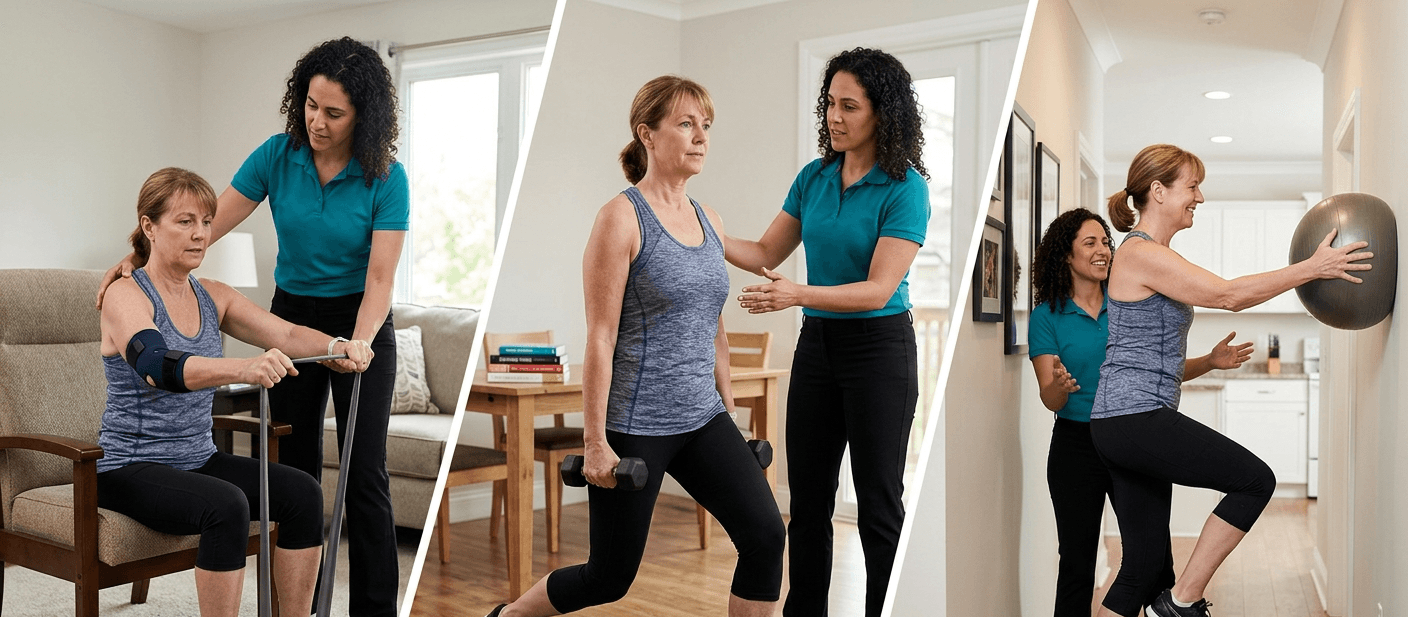
A patient progressing with physical therapy

Rehabilitation Services

Personalized Therapy That Helps You Recover and Reclaim Everyday Life

Home-based rehabilitation means working one-on-one with a licensed therapist who comes to you and tailors treatment to your home environment, with the goal of rebuilding your ability to safely manage everyday tasks.

Why Home-Based Rehabilitation?

Therapy built around your real home, not a generic clinic or gym

A therapist working in your home can address the stairs you climb, the shower you use, and the layout you navigate every day. That means training on the real obstacles you face, not generic clinic equipment.

Faster, safer recovery after a hospital stay or surgery

One-on-one, in-home therapy sessions mean more individualized attention than many outpatient or facility settings allow. That can shorten recovery time and reduce the risk of falls or setbacks during the transition home.

Restoring independence in daily activities, not just physical function

The goal is not just improving strength or range of motion in isolation. It's about regaining the ability to dress, bathe, cook, or move around safely on your own.

Physical Therapy

Physical therapy helps patients regain strength, balance, and the ability to move safely after an injury, surgery, or illness. Our licensed physical therapists build a personalized treatment plan around each patient's specific condition and goals.

Facilitated by: Physical Therapist

What it covers

  • Fall-risk and stability work: We work with you on the coordination and stability exercises that lower your everyday risk of a fall at home.
  • Getting in and out safely: Your therapist practices the specific transfers you do every day, such as bed to chair, chair to standing, or car to curb, until you can do them with confidence on your own.
  • Rebuilding strength for daily life: Exercises are chosen around the tasks you actually need stamina for, so you can get through your day without exhaustion or strain.
  • Walking with confidence: Hands-on practice on your own floors and staircases helps you relearn a steady, safe gait in the environment you actually live in.

Ideal candidates

  • Managing fall risk or recovering from a fall
  • Living with Parkinson's disease
  • Managing other conditions affecting mobility
  • Recovering from a stroke
  • Recovering from joint replacement or surgery
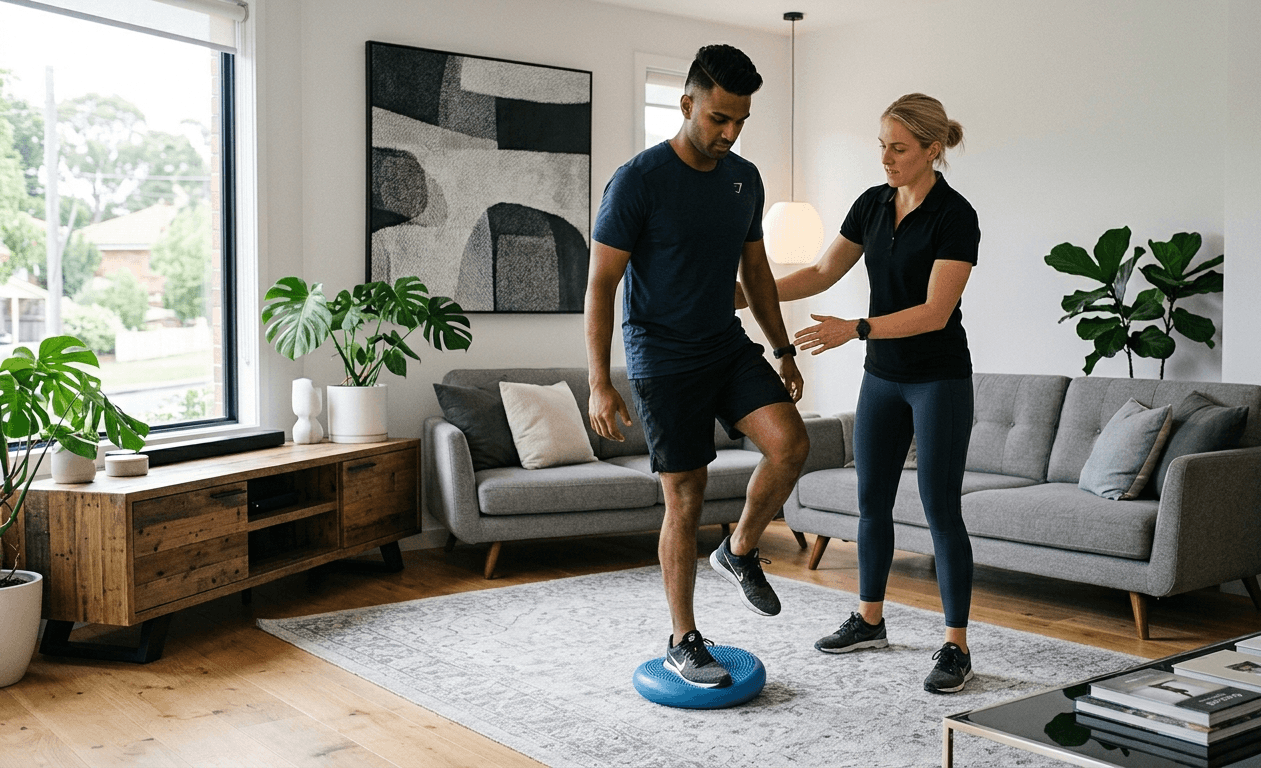
Physical therapist assisting a patient with balance training at home

Occupational Therapy

Occupational therapy helps patients regain the skills and confidence needed for everyday self-care and independent living at home. Our licensed occupational therapists focus on the specific daily tasks that matter most to each patient.

Facilitated by: Occupational Therapist

What it covers

  • Pacing yourself through the day: Your therapist teaches simplified movement patterns and pacing strategies so you can get through daily tasks without running out of energy.
  • Tools that make daily tasks easier: We introduce aids like reachers, dressing hooks, and grab bars, and show you how to use them so daily tasks feel safer and more manageable on your own.
  • Rebuilding flexibility and strength for self-care: Guided exercises restore the flexibility and strength your joints and muscles need for dressing, bathing, and other everyday self-care.

Ideal candidates

  • Experiencing age-related decline in daily-living skills
  • Managing arthritis or joint pain
  • Needing support to safely live independently at home
  • Recovering from a stroke
  • Recovering from surgery
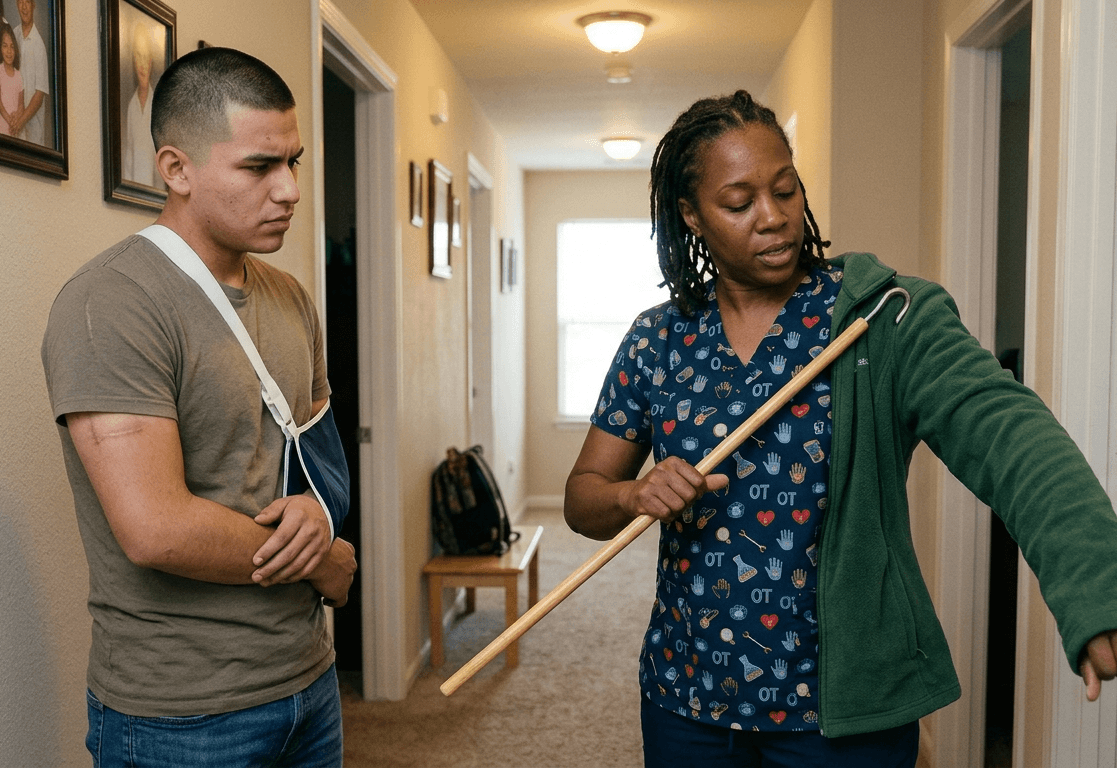
Occupational therapist showing a patient how to use adaptive equipment at home

Speech and Language Therapy

Speech and language therapy helps patients regain safe, effective communication and swallowing abilities. Our speech-language pathologists assess and treat each patient's specific cognitive, communication, or swallowing needs.

Facilitated by: Speech-Language Pathologist

What it covers

  • Cognitive and memory support: Structured exercises target memory, focus, and problem-solving for patients navigating dementia, stroke recovery, or other cognitive changes.
  • Eating and swallowing safety: Your speech-language pathologist evaluates and treats swallowing difficulties to lower the risk of choking or aspiration and keep mealtimes safe.

Ideal candidates

  • Experiencing communication or swallowing disorders
  • Managing dementia or cognitive decline
  • Recovering from a stroke
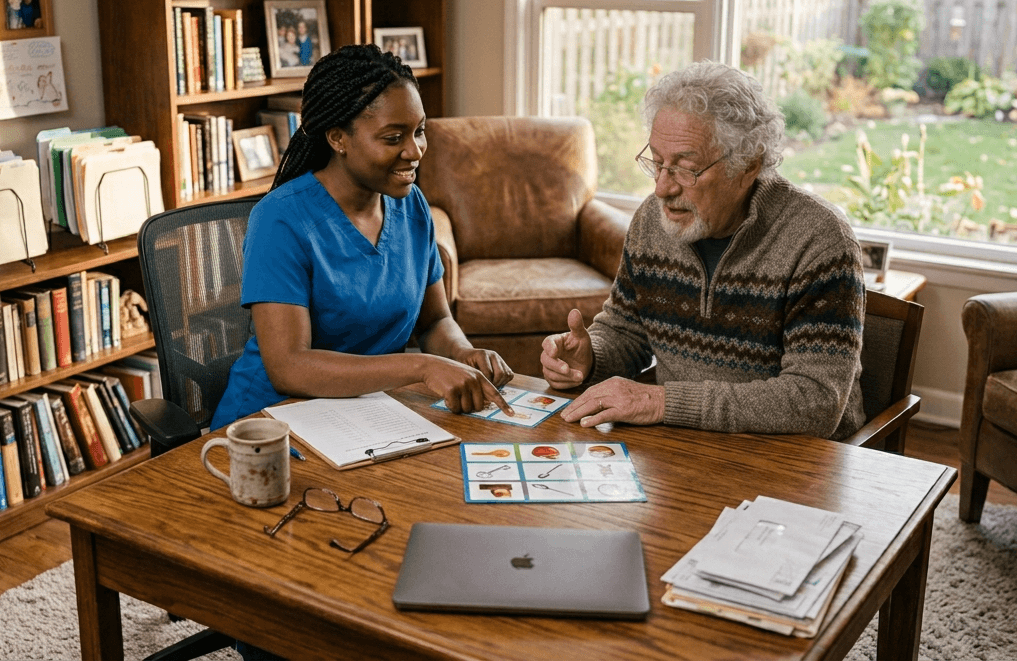
Speech-language pathologist working through a memory exercise with a patient

Ready to Talk Through Your Recovery Plan?

Contact UsCall (248) 254-3582